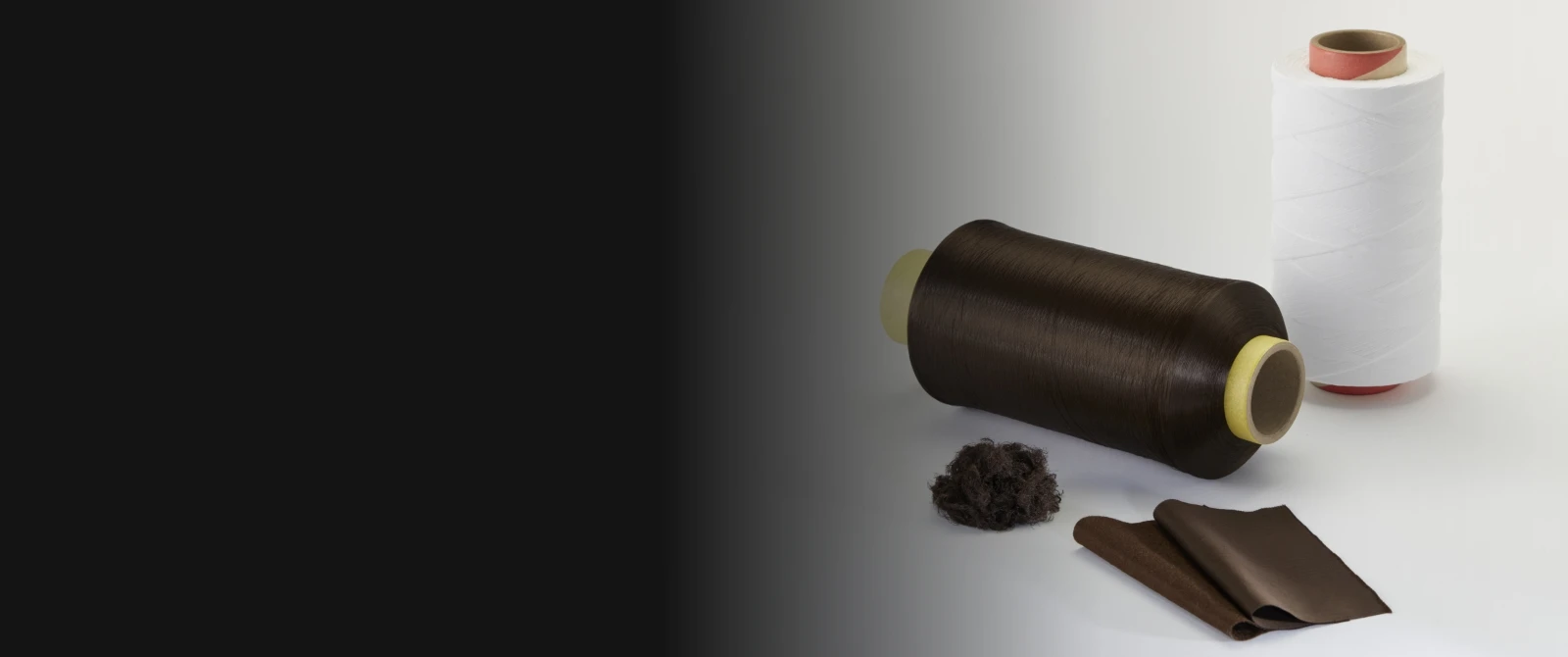
Fluorocarbon fiber
TOYOFLON™
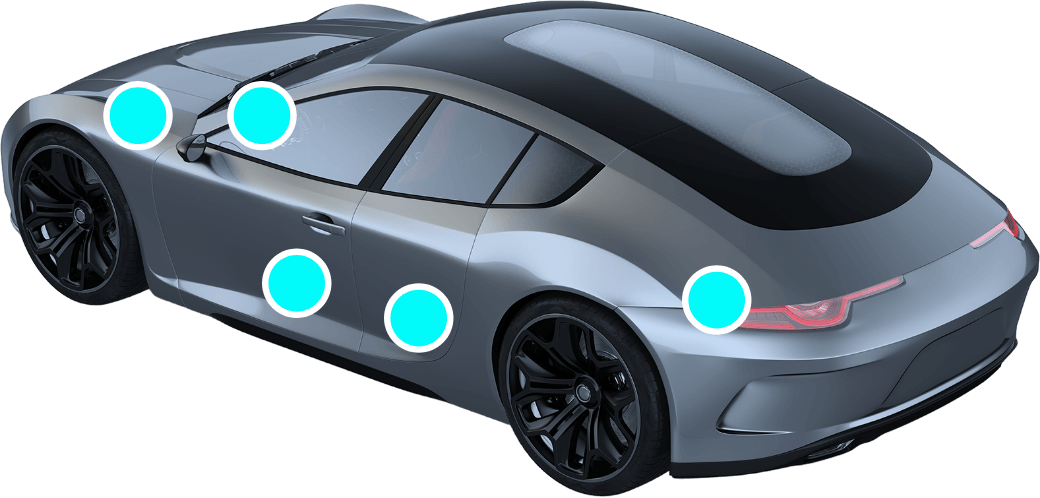
Mounting locations
- Glass
- Bodywork components
Benefits
Provides quiet, smooth motion without relying on lubricants.
It also
reduces maintenance work.
Toyoflon™ achieves smooth, quiet operation without oil through the
self-lubricating properties derived from PTFE (fluoropolymer) and low-friction characteristics that rank
among the best of organic fibers.
In addition, its properties of heat resistance up to 260°C,
chemical resistance, and high durability help to prevent wear and degradation in harsh environments.
The maintenance burden is greatly reduced by eliminating lubrication and reducing the frequency of
replacement.
Features
Low friction
Fluorine (PTFE) resins exhibit the highest level of low friction among all organic fibers. By using our proprietary technology to create a sheet (fabric) while taking advantage of the unique characteristics of fluorine resin, we have improved wear durability and low friction.
Heat resistance
With a melting point of 327°C and a continuous operating temperature of 260°C, Toyoflon™ has excellent heat resistance compared to other organic fibers.
Chemical resistance
Fluorine (PTFE) resins are composed of a strong single bond called CF-binding, which is chemically inert and therefore excellent resistance to all chemicals such as acids, alkalis and organic solvents.
Use Cases
#01
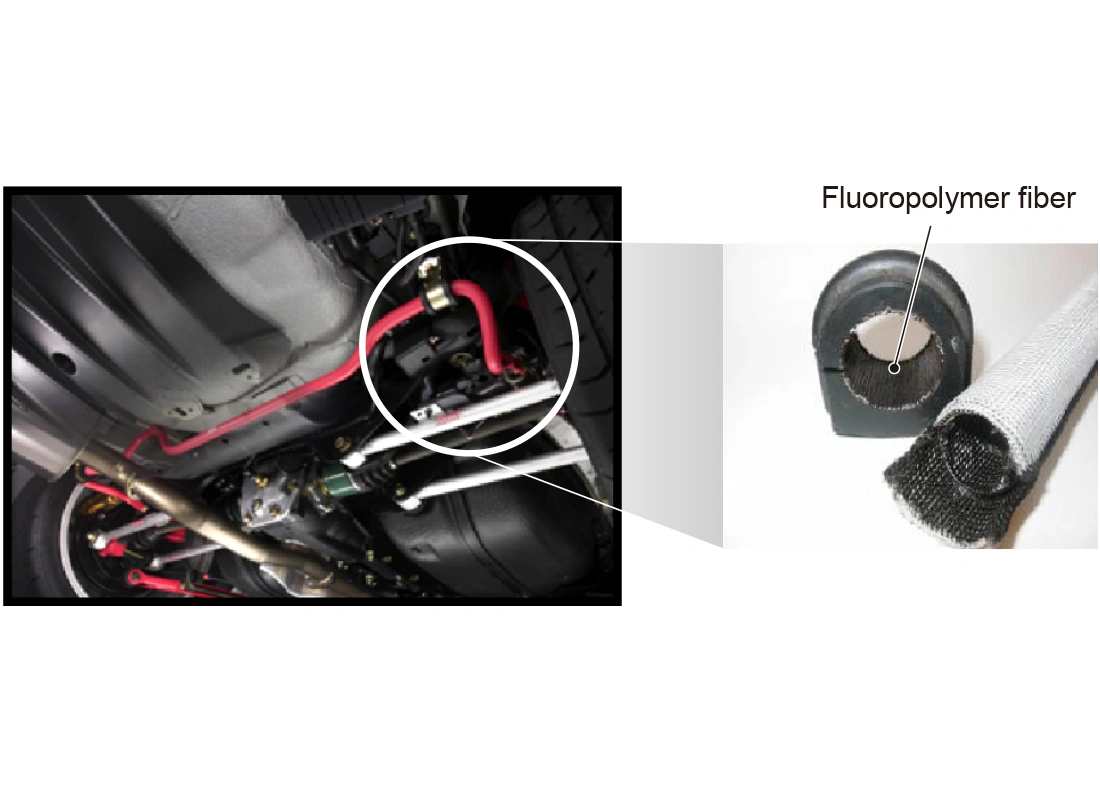
Stabilizer bushing
The noise is caused by "friction" at the contact area of the stabilizer
bar, which stabilizes the vehicle, and the rubber bush that holds it.
The arrangement of fluorocarbon
fibers with excellent low friction reduces noise without compromising the running stability.
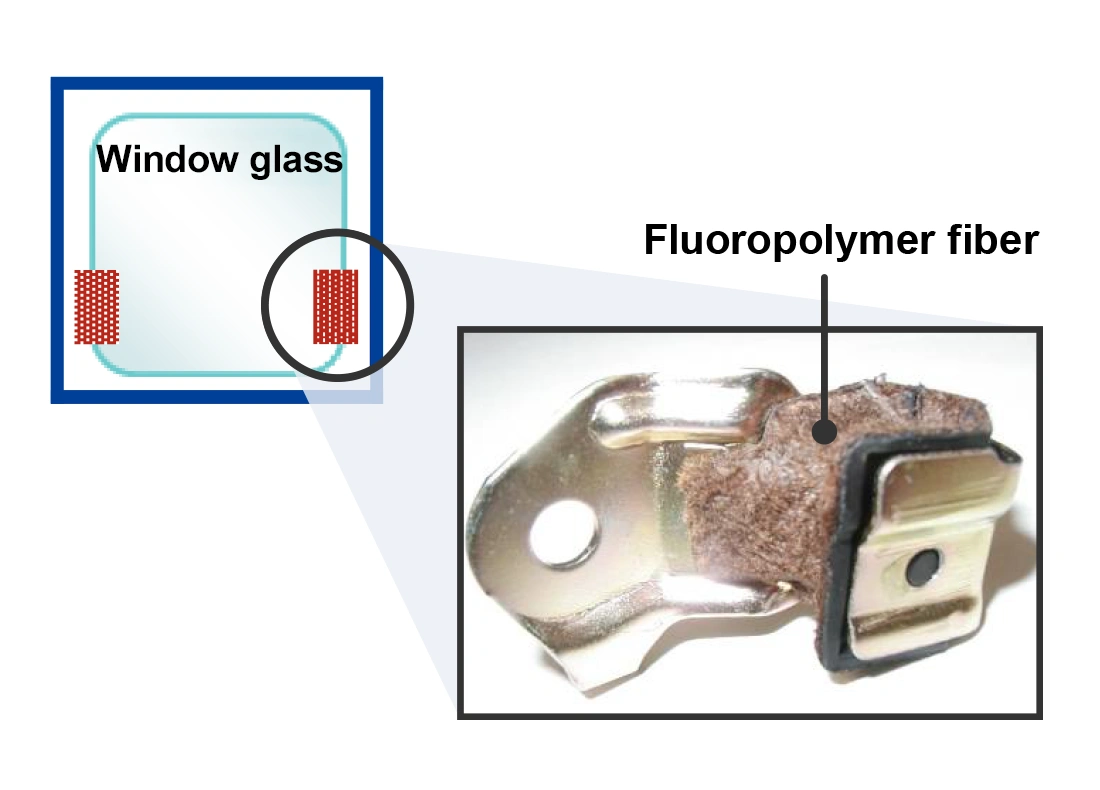
#01
Window stabilizer
Fluorocarbon fibers are used as a grip material for window glass.
This
application method leverages the characteristics of fluorocarbon fibers that allows them to slide under
load while firmly gripping the window glass and without impeding opening and closing operations.
Related Products
Related Products
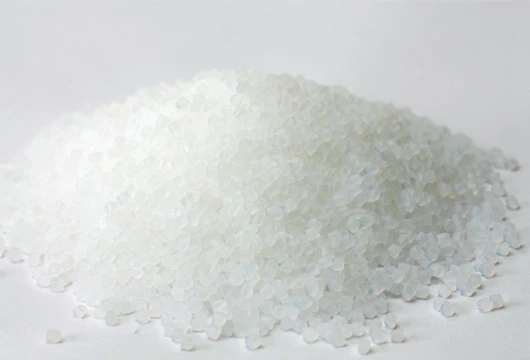
AMILAN™
High strength, high heat resistance and high rigidity make the vehicle body and power train components lighter, more durable, contributes to safety.
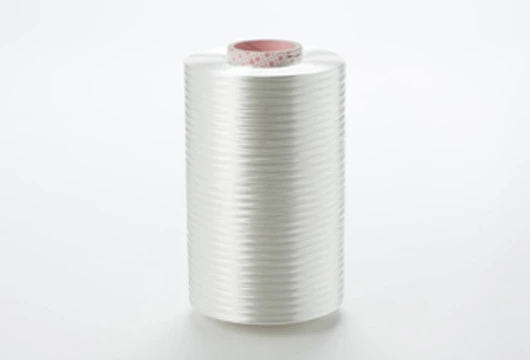
Promilan™
High strength, high modulus of elasticity enhances the safety and durability of airbags and tire cords. Contributes to weight reduction.
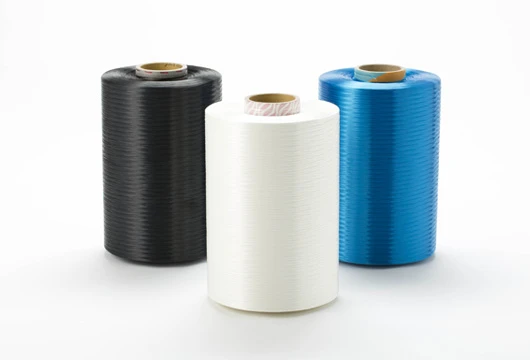
TORAY TETORON™
Durability, dyeing and texture contribute to the comfort, safety and design of interior components. We also offer environmentally friendly materials.