
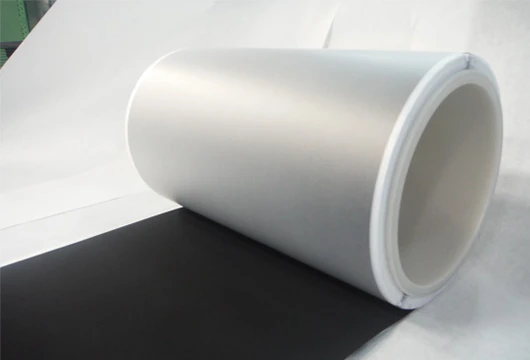
Electrolyte membrane
Hydrocarbon-based electrolyte membranes
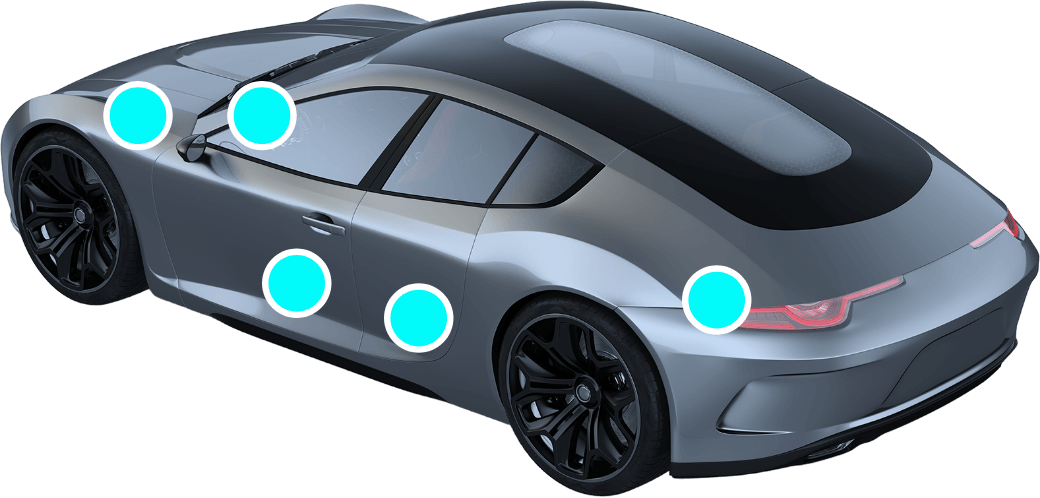
Mounting locations
- Fuel cells
Benefits
Dramatically increase the flexibility of
system design in fuel cell vehicles.
Toray's hydrocarbon electrolyte membrane has high heat resistance,
extending the operating temperature range of the fuel cell, making it possible to simplify the cooling
system and reduce overall weight. Low hydrogen permeability and high mechanical strength increase
membrane durability and long-term reliability. In addition, by reducing the deterioration of platinum
catalysts, this contributes to longer service life, lower costs, and more stable performance. In
addition, the product is PFAS-free, environmentally compliant, and enables sustainable product
development.
This technology enables developers to design systems with greater freedom and
efficiency by combining the high performance of fuel cell vehicles with the reduction of environmental
impact.
Features

High temperature operation
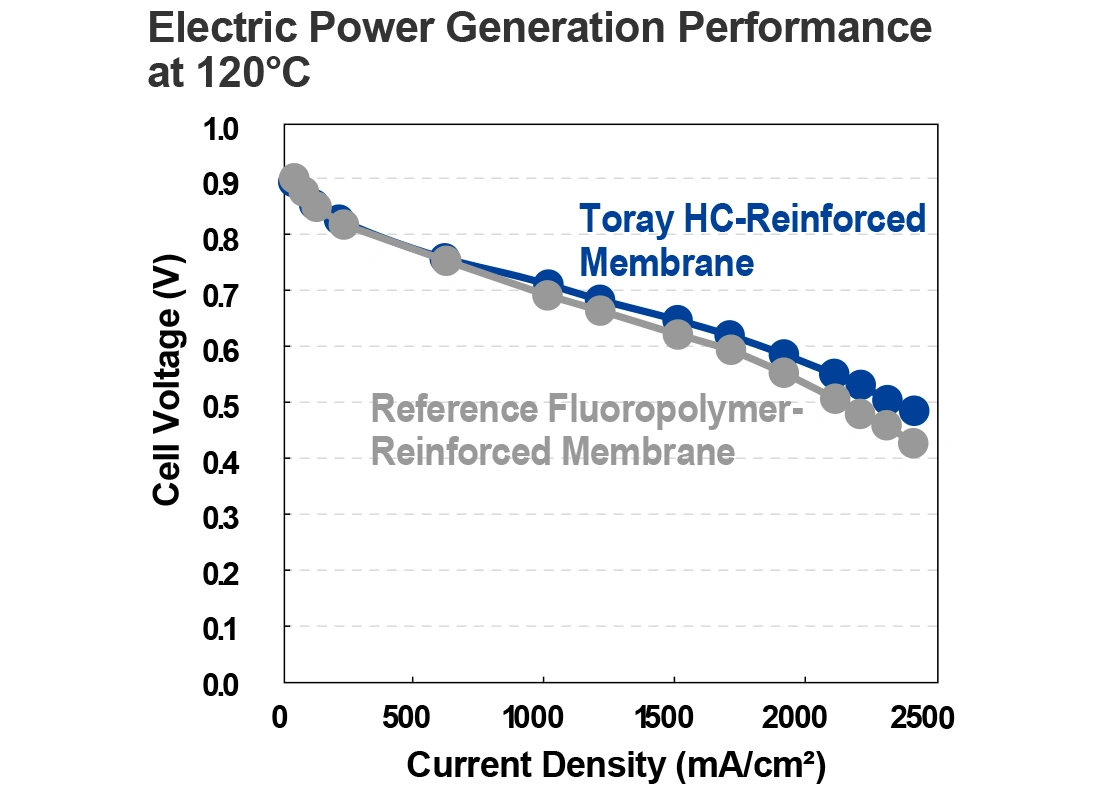
Toray's proprietary hydrocarbon electrolyte membrane technology enables high-temperature operation of PEM-type fuel cells
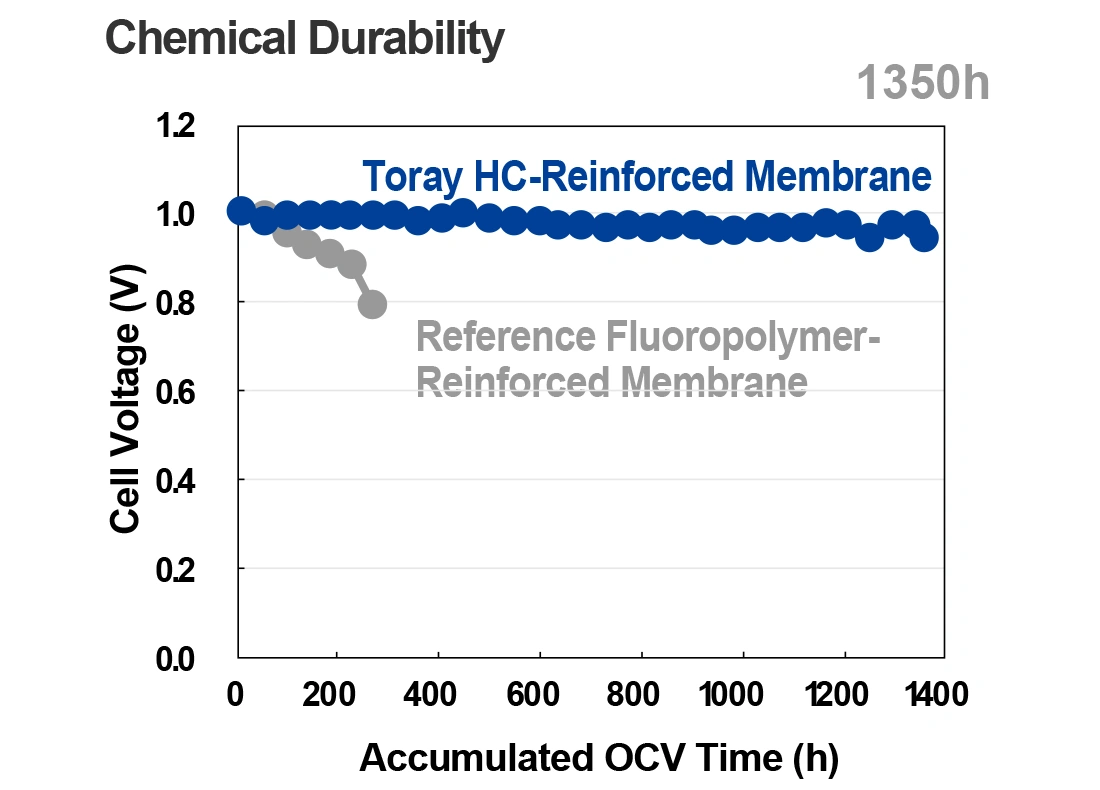
High chemical durability
Low hydrogen permeability combined with excellent mechanical strength.
It also
overcomes the deterioration of platinum catalysts, a known drawback of the fluorine-based membranes that
have been the prevailing choice. Provides long-term reliability for fuel cell systems.

PFAS-free
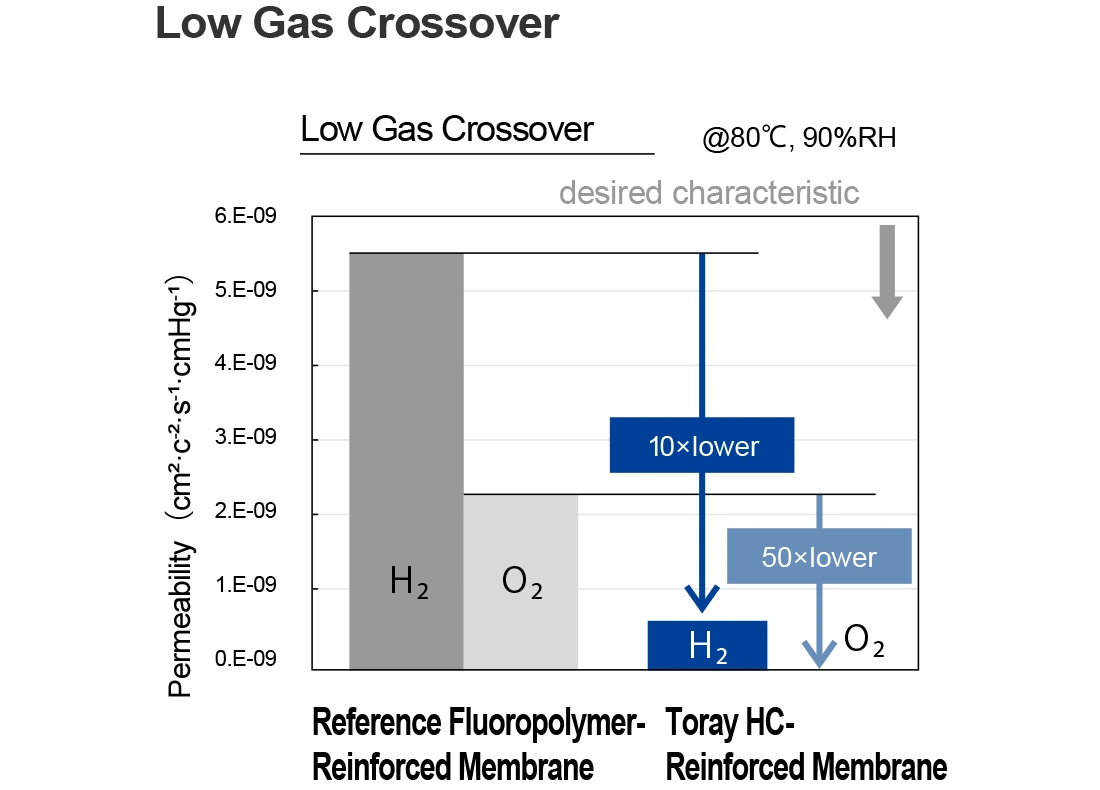
(low gas
permeability)
Conventional fluorine membranes have high hydrogen permeability, causing decreased
efficiency and shortened service life in fuel cell systems.
On the other hand, Toray's
hydrocarbon electrolyte membrane is PFAS-free, but it achieves low gas permeability through optimization
of the molecular structure. This reduces hydrogen loss and improves the efficiency and durability of fuel
cell energy conversion.
High power-to-weight ratio/improved fuel efficiency
Use Cases
#01
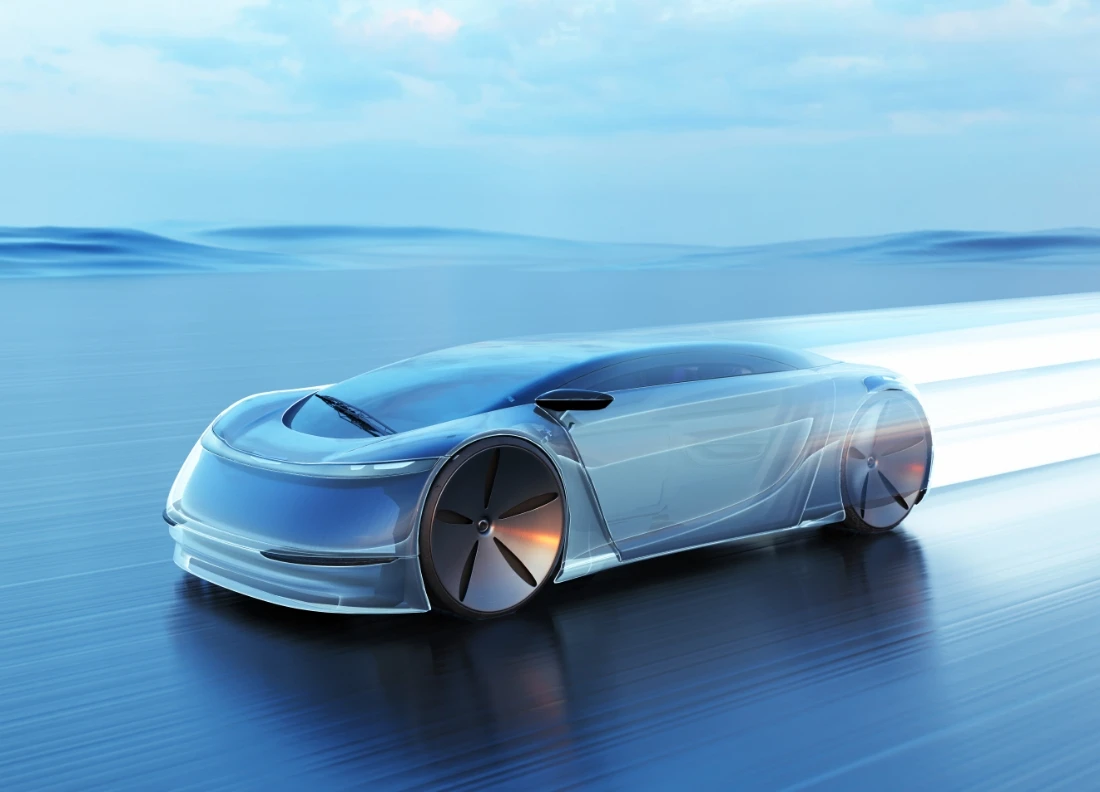
Fuel cell vehicles:
Improved range
Increasing the operating temperature of the fuel cell simplifies and miniaturizes
the cooling system. As this results in a lighter overall system and higher power output, it is expected to
improve the range of the vehicle.
Also, low hydrogen permeability reduces membrane degradation and
reduces maintenance frequency. This enables more comfortable and high-performance designs.
#02
Extended service life of water electrolysis cells
The introduction of hydrocarbon electrolyte membrane to maintain stable performance even in high temperature environments can extend the life of water electrolysis cells. The result is lower operating costs.
Physical Property Data
Physical properties
| Required Characteristics | Reference Fluoride Reinforcement Membrane |
Toray HC Reinforcement Membrane |
Added value |
|---|---|---|---|
| Power Generation Performance (V) | 0.63 | 0.66 | |
| Low gas permeability (a.u.) | 1 | 1/10 | 〇 improved fuel economy |
| Chemical durability (h) | 225 | >1350 | 〇 Durability |
| Heat resistance (°C) | 90 | >150 | 〇 High temperature operation |
| Non-fluorinated | × | 〇 | 〇 PFAS free |
Related Products
Related Products
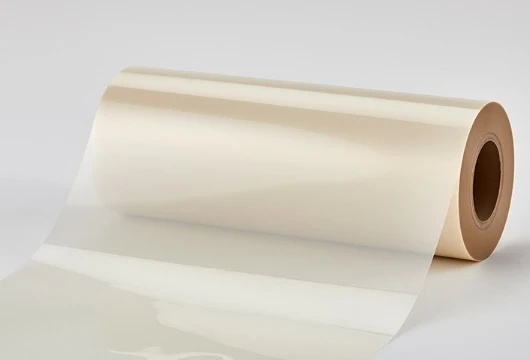
TORELINA™ PPS Film
The world's only biaxially oriented polyphenylene sulfide film achieves high durability
TORAYCA™ Carbon Paper TORAYCA™ GDL
As a fuel cell electrode base material, the high conductivity, durability and gas diffusion contribute to the high performance and long life of the fuel cell.